
Narrogin East renewable energy project
252
MW installed wind generation capacity (maximum)
158
MWdc solar installed capacity
200MW
MW battery storage capacity (4-hour duration)
Site selection
Preliminary assessments, site design and community consultation
Planning application
Discharge of planning conditions
Construction
Operation
Decommissioning
Combining wind, solar and battery storage
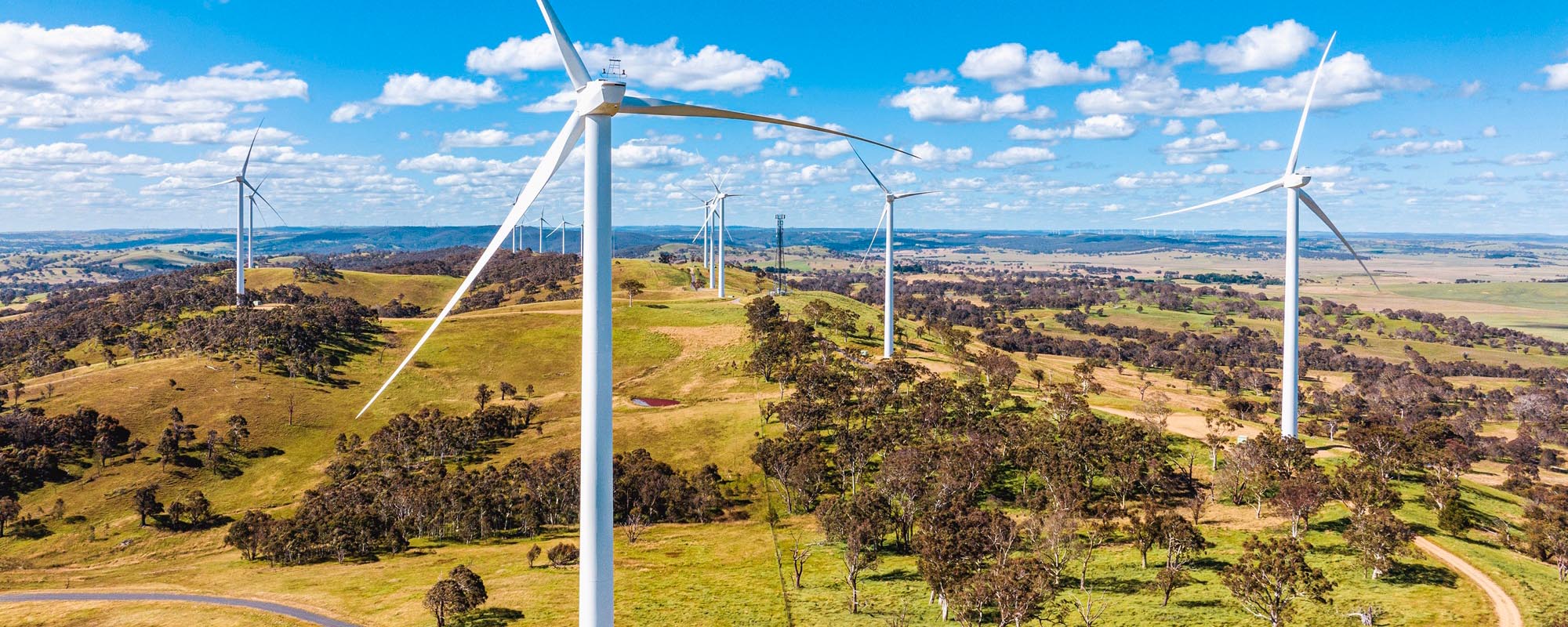
The Narrogin East renewable energy project, located approximately 8km to the east of Narrogin, Western Australia, is set to deliver enough energy to supply around 133,000 homes, contributing significantly to regional and national energy goals.
By integrating wind, solar, and battery storage systems at a single site, the project will generate, capture and store renewable energy for use when it’s most needed, supporting reliable, low-carbon electricity. The battery will enable the project to store surplus energy during times of high renewable output and release it during peak demand, improving grid stability and maximising the efficiency of all renewable assets on site. In addition, the combination of wind, solar, and storage within a single site minimises land use and environmental impacts. It also lowers grid connection costs and avoids duplication of ancillary assets such as substations, enabling more competitive costs and placing downward pressure on power prices.
The Narrogin East project may be delivered in stages. More detailed plans regarding the staged approach will be developed and shared as the project progresses and further assessments are completed.
Neighbour and community engagement
At Lightsource bp, we are dedicated to fostering open, meaningful engagement with our neighbours and the broader community. Over the coming months, there will be opportunities to meet with our team, learn more about the Narrogin East renewable energy project, and discuss how you can be involved in this important development.
If you would like to stay updated on project progress or participate in future engagement activities, please reach out to us at narroginproject@lightsourcebp.com.
Sharing the benefits
Ensuring the local community shares in the benefits of the project is a core part of our approach. We welcome your feedback to help shape initiatives — such as community grants, partnerships, and energy‑efficiency schemes — that support local priorities.
As part of this commitment, we will provide annual community payments of $1,050 per MW for wind and $850 per MWac for solar, starting from the beginning of construction and continuing throughout the project’s operational life, to support communities closest to the project. The total annual amount will fund community‑led initiatives in the Narrogin area and nearby towns, administered with the Shire of Narrogin and other local stakeholders to ensure transparency and alignment with local needs.
We are also developing a Neighbourhood Benefit Sharing Program for landowners in proximity to the project. As the project advances, we will work with neighbouring landholders, the Shire, and community representatives to outline full details on eligibility, timing, and allocation of funds.
Employment and sub-contracting opportunities
Local participation is important to us. We are committed to employing local people and partnering with regional subcontractors and suppliers wherever possible. As the project progresses, we will work closely with the local business community to share information about upcoming opportunities.
If you are interested in getting involved, or would like advice on how to participate, we encourage you to get in touch and find out more by emailing us at ANZopportunities@lightsourcebp.com or by submitting an expression of interest via our online form.
More information
You can find more information in our Community Update below.
EPBC Act Referral now closed for comment
The Narrogin East Renewable Energy Project’s EPBC Act referral is available on the EPBC Act Public Portal. The portal includes the referral documents – the submission window closed on October 6, 2026.
Project area
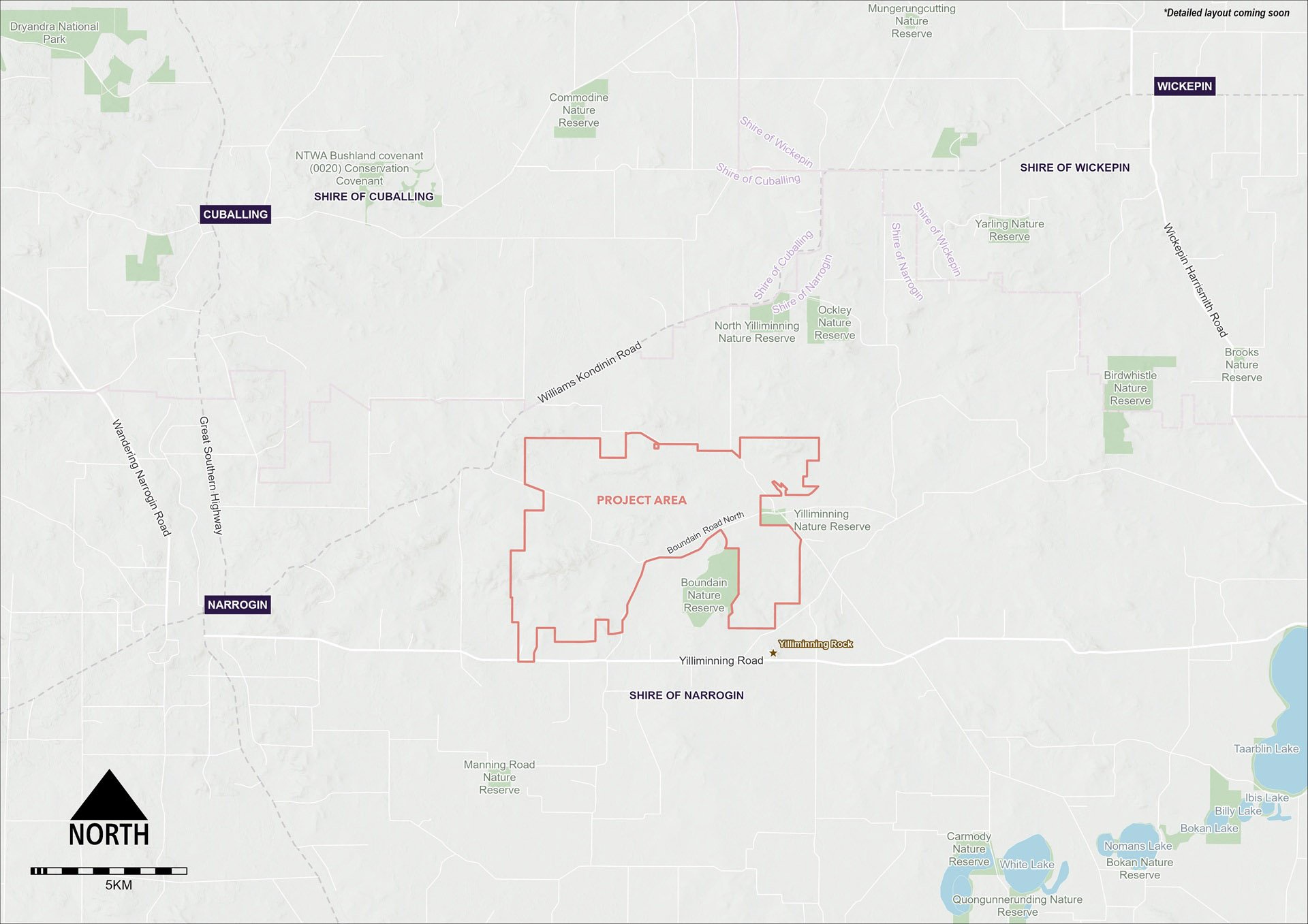
Please note: The project area shown is an initial outline and may be updated as planning progresses. A more detailed project layout will be shared in the coming weeks.
Frequently asked questions
-
What is the Narrogin East renewable energy project, and how does the technology work?
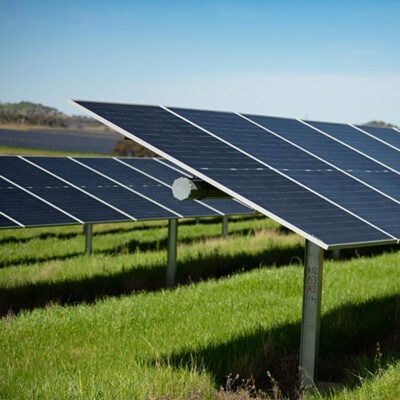
The Narrogin East renewable energy project is a proposed renewable energy development combining up to 252MW of wind power, up to 158MWdc of solar panels and a battery storage system of up to 200MW. It is located primarily on grazing land approximately 8km east of the town of Narrogin. Wind turbines generate electricity when the wind blows, while solar panels do so when the sun shines. The battery stores excess energy for use during periods of low wind or solar production. Together, this combination means more reliable, on-demand low-carbon electricity day and night, supporting Western Australia’s shift to renewable energy.
The Narrogin East project may be delivered in stages. More detailed plans regarding the staged approach will be developed and shared as the project progresses and further assessments are completed.
-
What are the turbine specifications (MW, height, rotor diameter) and how many will be built?
The current project layout accommodates up to 35 turbines, though the final number may be smaller. This will be refined through detailed environmental studies, technical optimisation and ongoing community consultation prior to finalisation.
We are proposing modern turbines with a capacity in the order of 6 to 8 MW each, a hub height of up to approximately 160 metres, and blades of approximately 90m long. The expected tip height would be approximately 250 metres. Modern designs are significantly more efficient than older models and, though larger, require fewer turbines to generate the same amount of energy.
Exact component locations will be finalised after environmental, technical, cultural heritage, and community input.
-
Why was this location selected?
Careful site selection is crucial to balance strong renewable resources with minimal impact on local communities and the environment. The Narrogin East site was chosen for its excellent wind and solar potential and its distance from major townships and protected natural areas, as well as its proximity to transmission infrastructure which reduces the need for construction of new transmission assets to achieve grid connection. The overwhelming majority of land within the project’s overall footprint will continue to be used for agriculture alongside the proposed renewable energy infrastructure.
-
How does the combination of wind, solar, and battery improve reliability and benefits?
Australia’s electricity grids are increasingly moving toward a combination of solar, wind and storage to provide the overwhelming majority of the country’s electricity. These technologies are highly complementary – peak solar generation tends to occur during the middle of the day, while wind generation tends to be strongest at night (though this can vary considerably from site-to-site). Meanwhile, batteries store excess electricity when wind and solar generation exceeds demand and then release it during peak demand times. Batteries also provide numerous forms of services to maintain grid frequency, helping to keep the grid stable and prevent blackouts.
While it is not necessary to integrate wind, solar, and battery storage within one site to achieve this complementarity, by doing so significant reductions can be achieved in overall land use and environmental impacts. Further, by effectively allowing multiple generation assets to share ancillary infrastructure such as substations, transmission lines and other operational facilities, hybrid facilities can achieve substantial cost reductions which can ultimately benefit consumers in the form of lower electricity bills.
-
What happens to the power generated?
The energy generated by the Narrogin East project will feed directly into Western Australia’s electricity grid (i.e. the South West Interconnected System, or SWIS), supplying low-carbon energy to homes, businesses, and industry across the state. The addition of local generation and battery storage can strengthen the reliability of power in the region, and the project will help support broader energy affordability and sustainability goals for all Western Australians.
-
How is wildlife, including birds and bats, livestock and other animals being protected?
Protecting wildlife and habitats at a local level is a core principle of Lightsource bp’s approach. Before the site layout is finalised, detailed environmental studies are undertaken to identify local flora and fauna species and their movement patterns. Where possible, sensitive wildlife areas and corridors will be avoided, and infrastructure locations, including wind turbines, will be adjusted to reduce impacts, such as on known bird flight paths.
Modern wind farms are designed to minimise risks to birds and bats, including avoiding known flight paths and, where necessary, implementing operational strategies.
Experience from operating renewable energy projects in Australia has shown that livestock such as sheep and cattle can continue to graze comfortably around turbines and solar panels. With best-practice management, wind and solar farms coexist positively and safely with local wildlife and agricultural use.
Ongoing monitoring and the implementation of management plans will ensure that any potential impacts during construction and operations are identified and addressed. All activities will follow strict state and Commonwealth environmental regulations and aim to support local biodiversity.
-
How will the local environment and native vegetation be protected?
The project is committed to minimising land clearing and avoiding valuable remnant vegetation. Most of the site will remain in agricultural use, with only some areas needed for turbine pads, access roads, batteries and solar panels.rnrnEnvironmental surveys prior to and during layout design identify protected plants or habitats, enabling avoidance wherever possible. Any unavoidable impacts are strictly regulated by state and Commonwealth environmental laws.rnrnFollowing construction, disturbed areas are rehabilitated and weed control is a key feature of both construction and operational phase management plans, helping to maintain and support local ecosystems.
-
How is Aboriginal cultural heritage being protected?
Lightsource bp acknowledges the Gnarla Karla Booja Aboriginal Corporation (GKBAC) as the representatives of the Traditional Owners of the land on which the Narrogin East project is proposed to be situated and will continue to consult Traditional Owners throughout the development and construction phases. Cultural heritage surveys will be conducted in partnership with Indigenous representatives to identify and protect significant sites. The project will avoid identified areas of cultural importance and follow all legal requirements set by state and Commonwealth heritage laws.
Lightsource bp also strives to involve Aboriginal and First Nation communities in benefit-sharing initiatives and economic opportunities such as employment and training during the construction and operations phases.
-
How will the project consider bushfire safety?
Lightsource bp understands the importance of bushfire safety for rural communities and is making fire risk management a priority throughout the development and operation of the Narrogin East project. The project will be planned, constructed and operated in close consultation with local fire authorities, and comprehensive bushfire management measures will be in place, including water tanks and firefighting equipment on site.
The wind farm’s internal access roads act as firebreaks while also improving access for emergency vehicles. In the event that firefighting aircraft are required near the site, wind turbine operation will be paused to ensure safe airspace navigation.
Emergency and bushfire management plans will be prepared with local and state fire authorities, including procedures to pause turbines for aerial firefighting, fuel‑reduction zones, on‑site water storage, and training exercises.
-
What does research say about health and noise from wind farms?
An extensive review of scientific research by the National Health and Medical Research Council has found no consistent evidence of adverse health effects from living near wind turbines.
Wind farms must also comply with strict noise standards set by the state government’s Environmental Protection (Noise) Regulations 1997. The project will be designed in accordance with these regulations to ensure that its effect on the existing ambient noise levels in the area is minimal. Failure to do so may result in the EPA forcing turbine operations to be curtailed or shut down as necessary to achieve compliance.
The minimum setback will be 1.5 km from neighbouring dwellings, with greater distances applied if needed to meet noise, shadow flicker, and visual amenity standards. Noise will be modelled by independent consultants pre-construction and verified post-construction to ensure compliance.
-
What economic benefits and opportunities will there be for the local community?
Projects of this size inject many millions of dollars into the local economy. Depending on the final size, technology mix and the timing of construction of each component of the project, the workforce will likely peak at around 400 full-time jobs during the construction phase, with between 10-20 ongoing skilled roles (depending on the project’s final size and technology mix) during the assets’ operational lives of over 30 years. Local businesses can expect demand for accommodation, catering, trades, equipment hire, fuel and more. Information on available jobs and contracts will be shared widely as the project progresses to ensure that interested persons and businesses have the opportunity to participate.
A Community Benefit Fund will provide support for local infrastructure, services, or community projects, and will be administered in concert with local councils and local community representatives. The funding structure and governance will be determined through consultation with the community to ensure it reflects local priorities and needs. The Fund and related initiatives will be designed in line with the relevant guidelines, ensuring best practice and delivering transparent, equitable support for the local community.
-
How will worker accommodation be managed during construction?
Lightsource bp is assessing options for housing the construction workforce, including undertaking a Social Impact Assessment. We understand housing availability is an important issue for the local community and are committed to minimising any impact our project may have on the supply available to residents.
While there may be some use of short‑term accommodation in the early stages, the majority of the construction workforce will be housed onsite during the main construction phase. This approach will minimise pressure on local housing and ensure accommodation needs are managed responsibly.
-
What is the wind turbine lifecycle, and what happens at the end of the project?
Modern wind turbines have expected operational lives of at least 25 years, and typically 30. At the end of this period, all above-ground and below-ground infrastructure will be removed, including turbine hardstands and internal access roads, and turbine blades, and the site will be rehabilitated in accordance with the approved decommissioning plan. Most turbine components – such as steel and copper – are highly recyclable, and rapid advances are being made in recycling turbine blades.
The project’s commitment to full decommissioning will be enshrined both in planning approvals and in binding contracts with host landowners, so landowners and the community will not be left with unwanted equipment, waste or cost.
-
How can the community stay informed and have a say?
Lightsource bp is committed to open, ongoing communication. This will occur in several ways:
- Public information sessions will be held prior to submission of a planning application, and there will be an opportunity for community members to make submissions on the application during the planning approval process. Feedback will influence final design decisions and management strategies, ensuring the project reflects local priorities as much as possible.
- Project updates will be regularly provided via the website and by direct communication methods, such as email.
- The project team will seek to conduct one-on-one meetings with all nearby neighbours and will be available to meet with other interested members of the community as requested.
- Please see further below for details on how to reach the project team with questions or other enquiries.
-
How can I find out more or provide feedback?
Lightsource bp encourages all community members to reach out with questions, feedback, or suggestions. Information sessions, website updates, regular newsletters, and a dedicated contact line and email address can be found below. The project values transparency and is committed to addressing all community input as planning and development move forward.
To contact the project team:
Phone: 1800 570 663
Email: narroginproject@lightsourcebp.comPlease feel free to use these contact details to get in touch at any stage of the project.

Get involved
At Lightsource bp, our goal is to create renewable energy assets that communities can be proud of, so if you’ve got an opinion or wish to provide feedback regarding the development, please don’t hesitate to let us know by calling 1800 570 663, emailing narroginproject@lightsourcebp.com or using the feedback form below. We’ll aim to get back to you within five working days.
Get in touch
We are always on hand to assist with any enquiries. You can contact us via email or phone our customer services team.
narroginproject@lightsourcebp.com 1800 570 663
*Erforderlich
Related projects
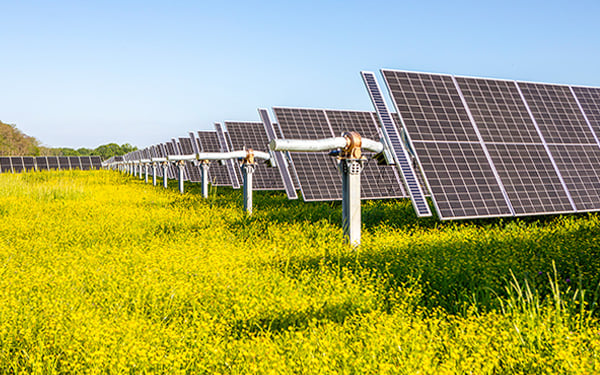
Goulburn River hybrid
585 MW
New South Wales, AUS
The Goulburn River hybrid project consists of a 585MWdc solar farm and battery energy storage system (BESS).
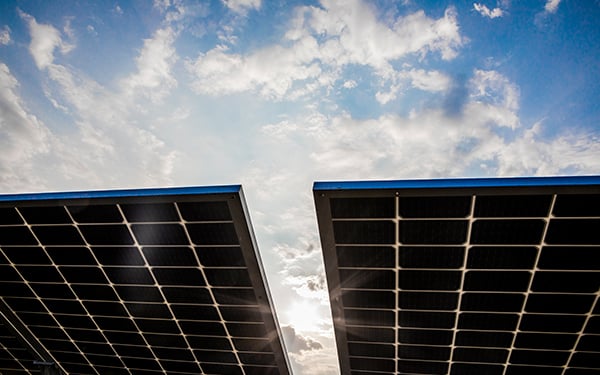
Lower Wonga hybrid
380 MW
Queensland, AUS
The Lower Wonga hybrid project consists of a 380MWdc solar farm and battery energy storage system (BESS).
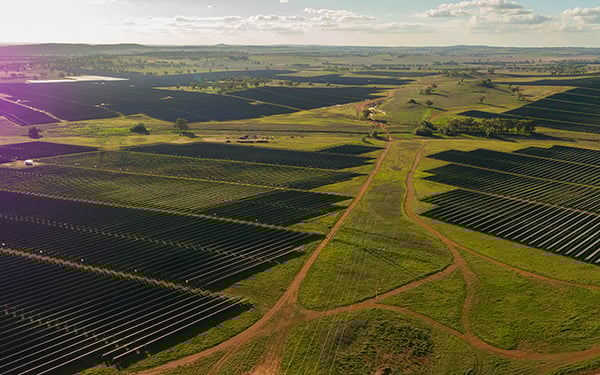
Wellington North solar
425 MW
New South Wales, AUS
This project consists of a 425MWdc solar farm approximately seven kilometres north-east of Wellington, NSW. This project was sold to Aula Energy in 2026.