
Solar farms can benefit food security – article by SEUK
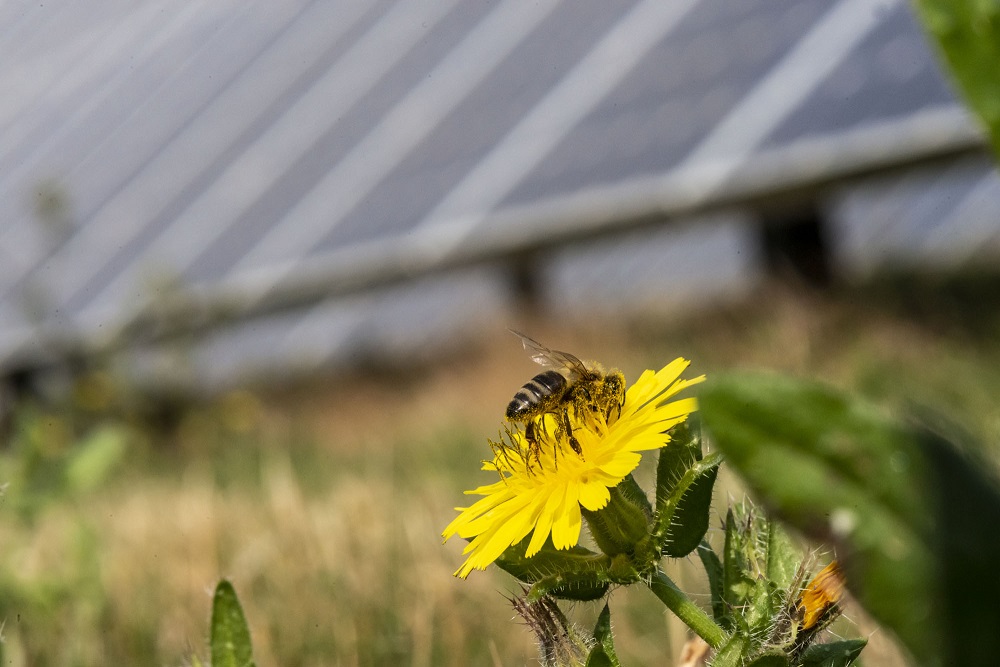
Solar farms deliver significant benefits for the environment on a number of levels. Renewable, sustainable electricity and biodiversity improvements are the most commonly known, but research is now bringing additional benefits to light. Solar Energy UK, the UK’s solar trade association, has shone a light on new research that suggests that solar farms can contribute positively to food security by enhancing pollinator biodiversity. SEUK writes that if we were to put honeybee hives on every solar farm in England, we could have gained £5.9m worth of pollination service benefits. Careful planning to locate pollinator-dependent crops next to solar farms could theoretically have delivered up to £80 million!
This new information reveals that good management of solar farms could be a “win-win-win scenario for climate change mitigation, biodiversity conservation and food security” and is further support for the importance of developing projects that go beyond solar. At Lightsource bp, we’re dedicated to enhancing biodiversity under our Sustainability strategy, and have committed to delivering a Biodiversity Net Gain (BNG) for each of our projects after five years of operation.
To find out more about how solar farm development could benefit food security, read the full article here.
Read related Lightsource bp news
28 Sep, 2026
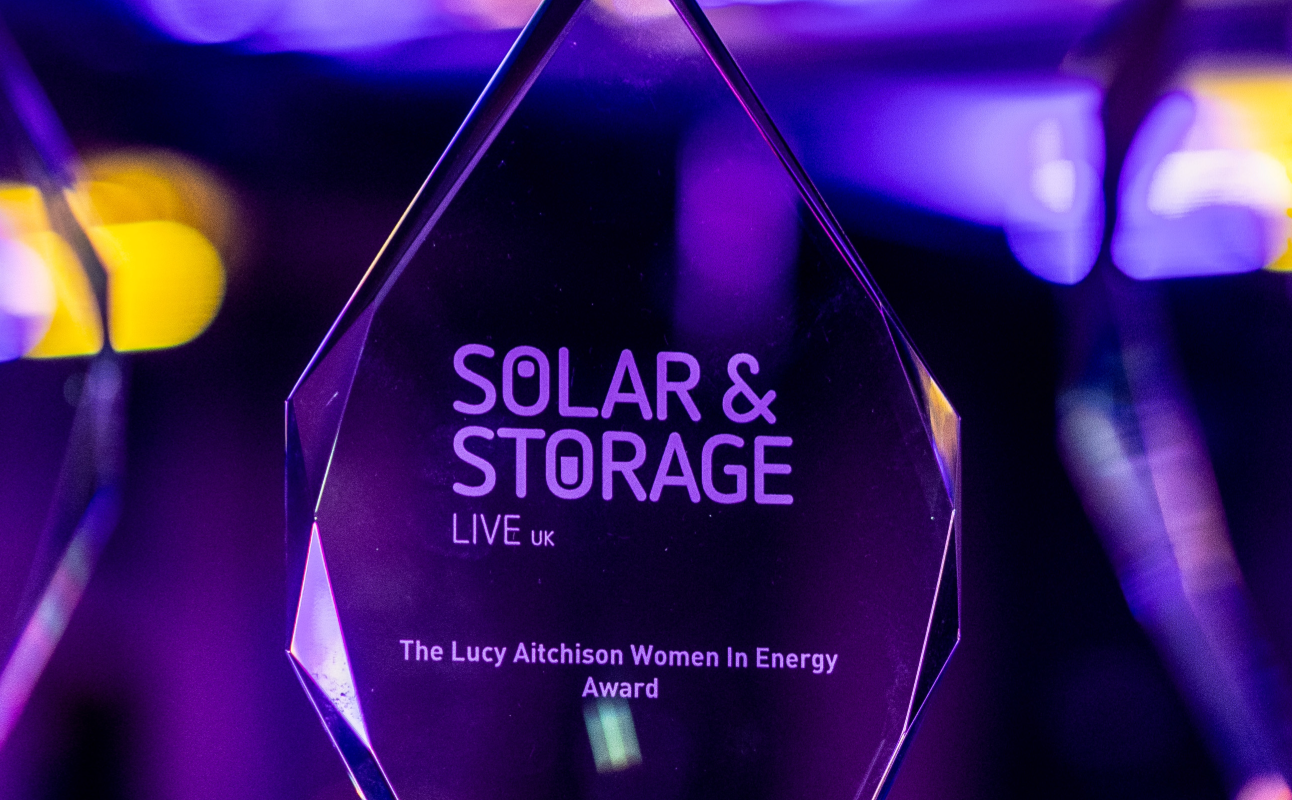
Lightsource bp’s General Counsel for EMEA, Alex Desouza, wins Women in Energy Award
Alex Desouza has won the Lucy Aitchison Women in Energy Award, recognising her outstanding contribution to the solar and renewable energy industry.
23 Jul, 2026
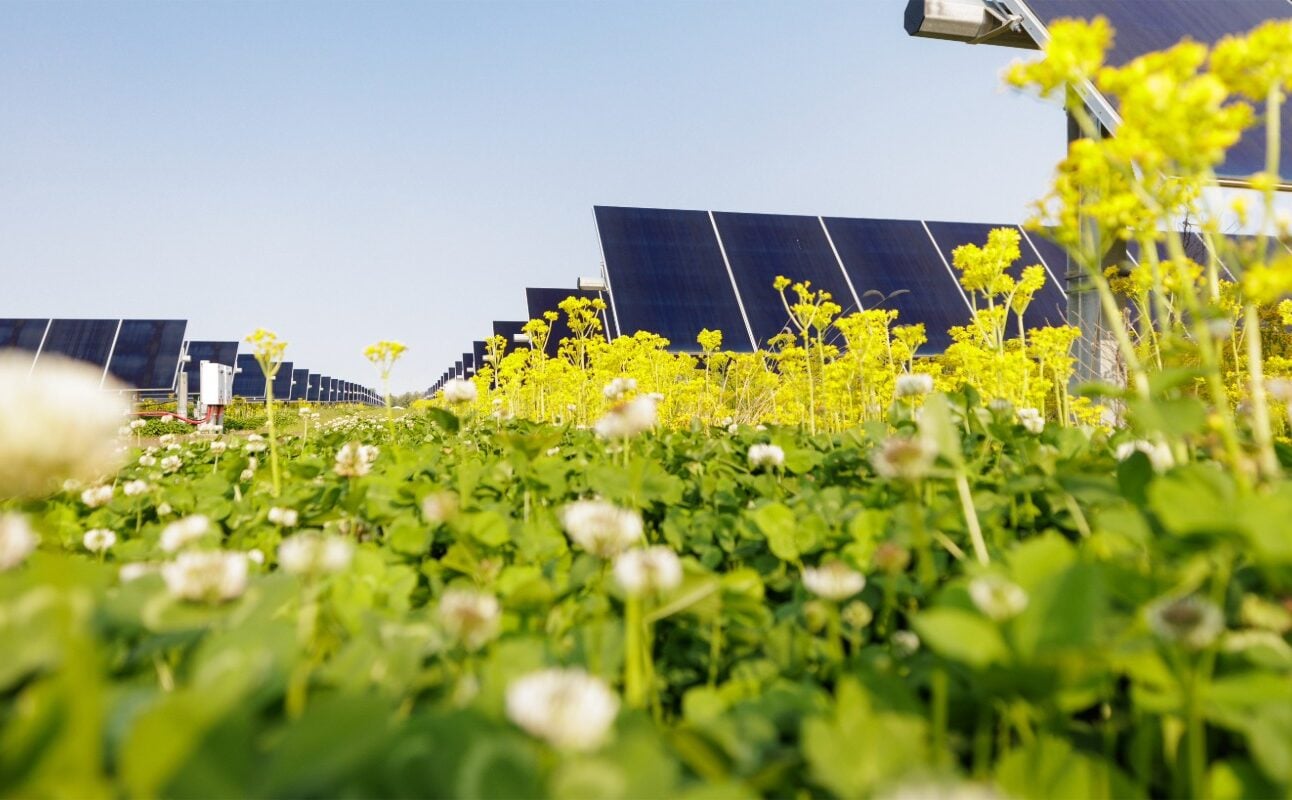
USA: Lightsource bp and Meta expand partnership with new power purchase agreement for Mowata Solar in Louisiana
Lightsource bp and Meta have finalised a long-term power purchase agreement (PPA) to support Mowata Solar, a 172MWdc (150MWac) solar project in development in Acadia Parish.
03 Jul, 2026
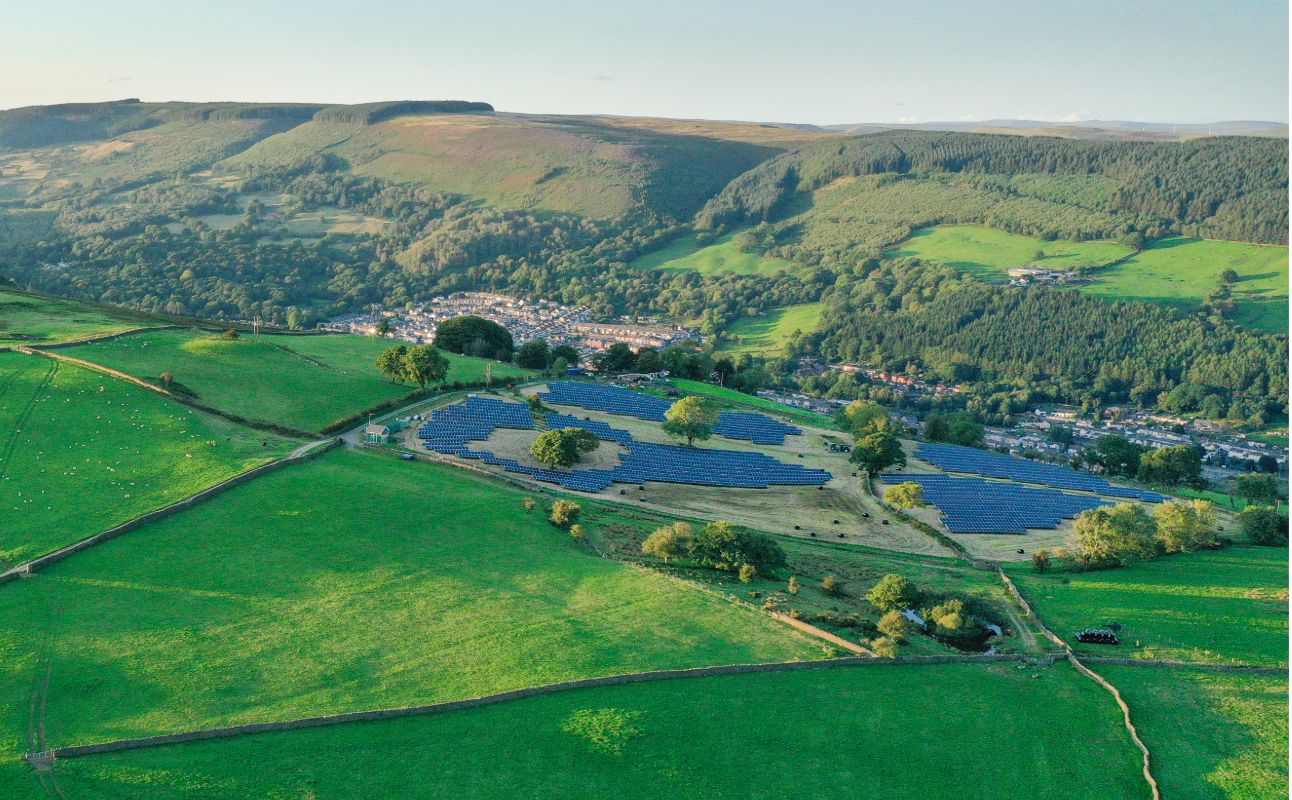
15 years of solar – from first-of-a kind to critical infrastructure
Last week marked 15 years since the UK’s first utility-scale solar farm began generating electricity.