15 years of solar – from first-of-a kind to critical infrastructure
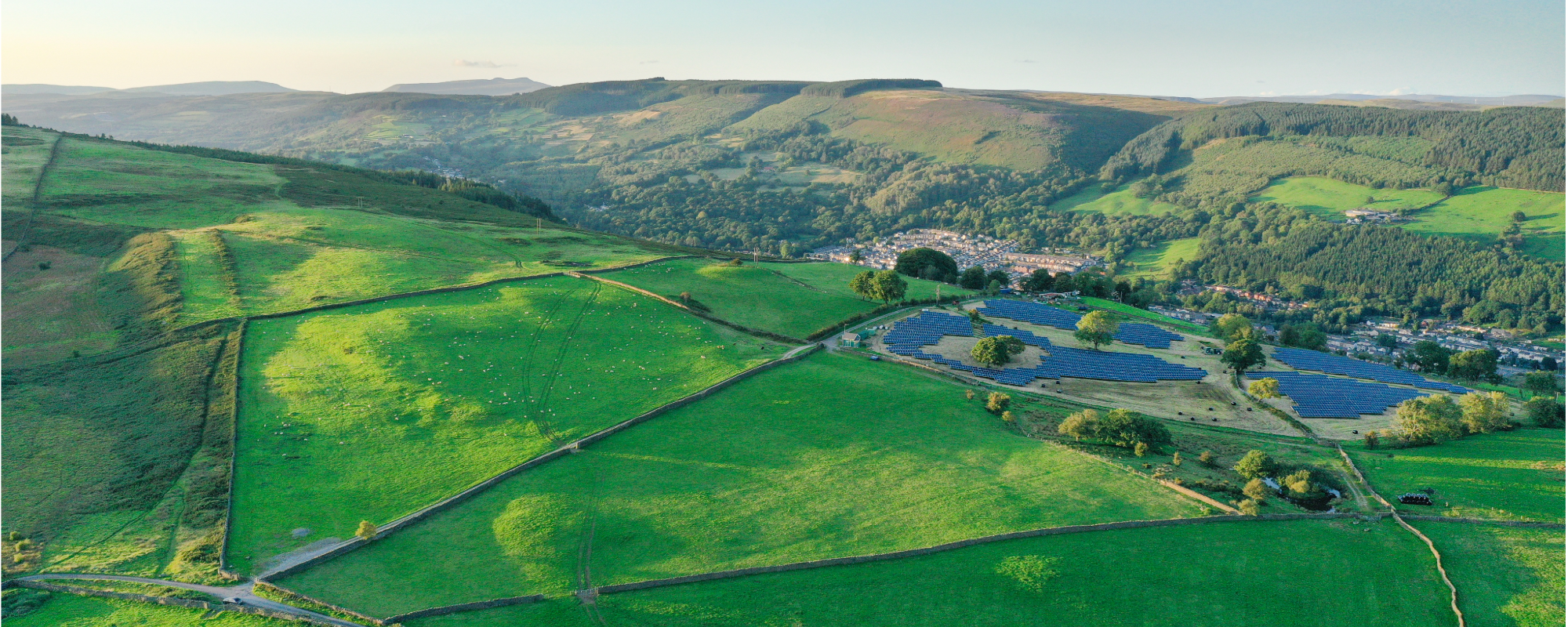
Last week marked 15 years since the UK’s first utility-scale solar farm began generating electricity. In that time, solar has moved from experimental to essential – and Lightsource bp has been at the heart of that transformation.
The UK’s first utility-scale solar farms were commissioned in June 2011, including Lightsource bp’s first solar farm, Wheal Jane in Cornwall. Built on a disused tin mine, this project proved that solar could work at scale in the UK’s climate and demonstrated how underused land could be repurposed for renewable energy. At the time, solar supplied less than 0.07% of the electricity mix.
Today, more than 25GW of solar now operates across the UK, powering homes and businesses with affordable, homegrown electricity. Lightsource bp has developed almost 2.4GW of that capacity since launching in 2011 and the sector’s momentum continues to accelerate – in April this year, solar generation reached a record peak of 16.3GW, supplying 46% of Great Britain’s power at midday.
15 years of solar
Lightsource bp has played a major role in the sector’s growth, driving innovation and achieving milestones including:
- Bentley Motors rooftop array – one of the UK’s earliest large-scale commercial rooftop systems, showing that major UK manufacturers were ready to adopt solar early and paving the way for corporate PPAs.
- Queen Elizabeth II Reservoir Solar – Europe’s largest floating solar installation, at launch.
- Crookedstone Solar Farm – the first large-scale project in Ireland and the first dedicated to powering an airport.
- ‘Night-time reactive power trials’ – a UK first proving solar farms can support the grid even when the sun isn’t shining, a capability now expanded through modern battery storage.
- Tiln energy storage project – the first of Lightsource bp’s multi-gigawatt storage pipeline to reach construction, marking a new era of solar-plus-storage integration.
Supporting farming and nature
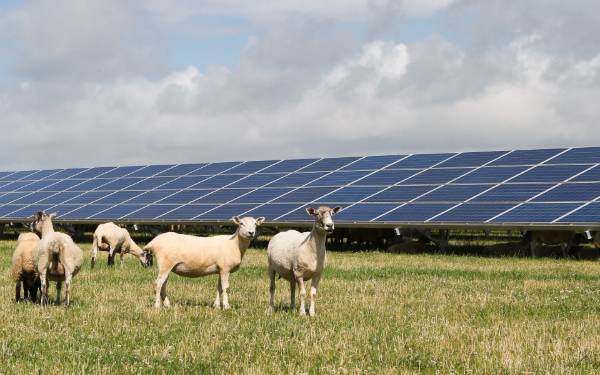
Agrivoltatics – combining solar generation with agricultural activity – has been part of Lightsource bp’s approach since the beginning. Projects are designed with farming businesses and guided by the 5Cs of Agrivoltaics framework (climate, configurations, crop selection and cultivation, compatibility and collaboration). Today, around 40% of the company’s 150+ managed sites are grazed.
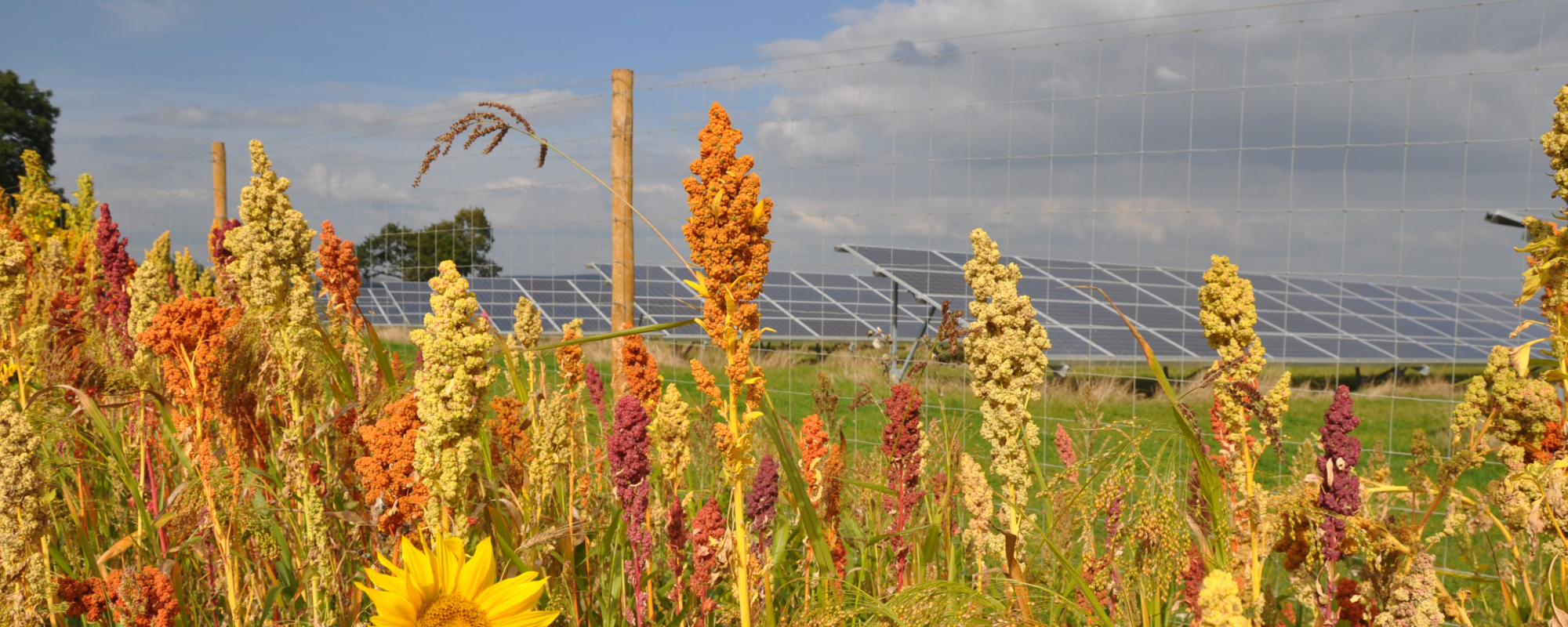
Solar farms use less than 0.1% of UK land, yet deliver significant environmental benefits. Lightsource bp’s projects include net biodiversity gains through measures such as:
- Enhancing pollinator habitats
- Prioritising native species
- Installing mammal gates, raised panels, bird and bat boxes, reptile refugia and insect hotels
- Avoiding or mitigating construction impacts
Evolution
Lightsource bp’s evolution from early developer to Independent Power Producer has helped shape the UK’s energy system, strengthening energy security, and delivering major benefits for nature and rural economies. Fifteen years on, the industry has moved from early adoption to critical infrastructure – and the future looks brighter than ever.