

NextGen Solar: Lightsource bp’s blueprint to transform gigawatt-scale solar construction
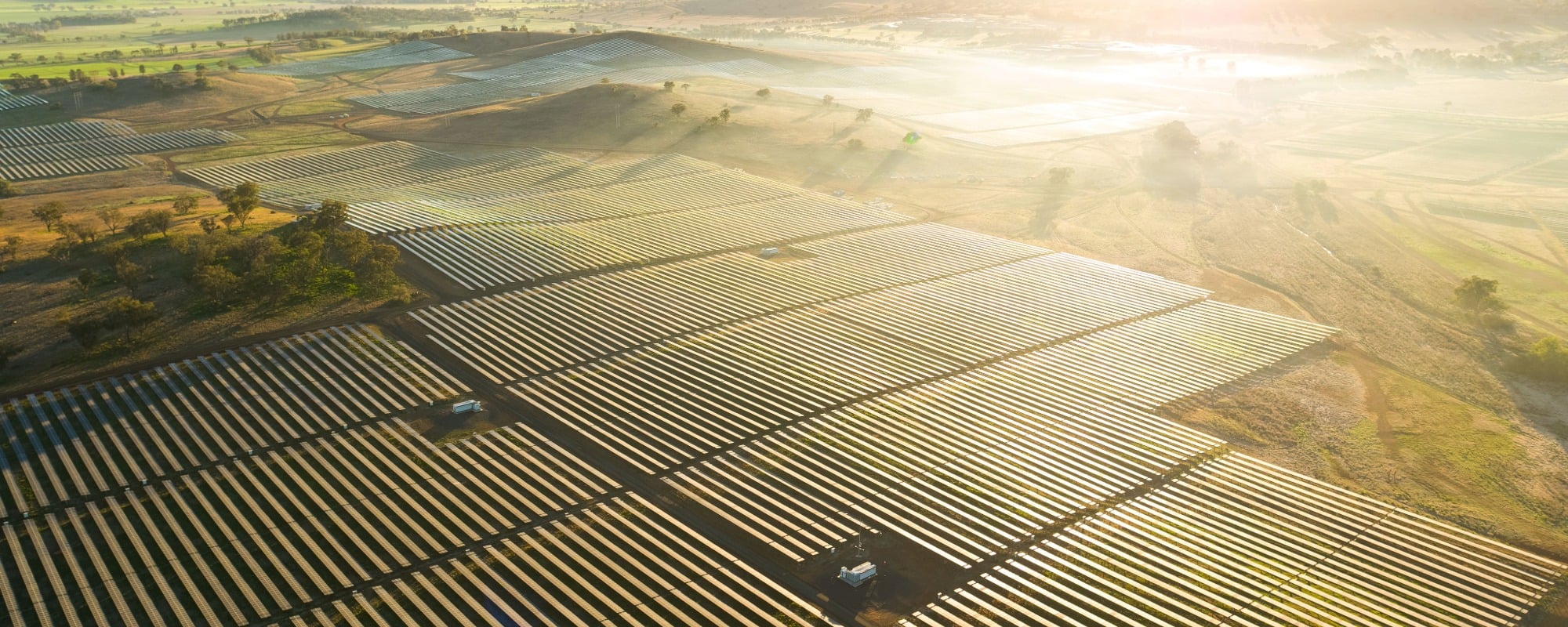
This week we are sharing the findings from the investigation phase of our NextGen Solar Programme: a systematic, data-driven blueprint for transforming the construction of gigawatt-scale solar farms.
Solar PV is expected to account for around 80% of new global renewable energy capacity between 2026 and 20301, yet the industry continues to rely on manual, labour-intensive construction methods that mean long construction timeframes for gigawatt scale projects. Our NextGen Solar Programme is designed to change that. Working with technology and engineering partners, we drew on proven approaches from sectors including automative, logistics and construction to determine which technology combinations would deliver the greatest improvement in speed, cost and safety.
On this page:
Key findings include:
Modelling of the programme’s four core innovation areas shows that combining the technologies could deliver:
- Up to 30% reduction in installation time
- Approximately 22% reduction in total direct current installation costs
Four interconnected innovations form the Lightsource bp NextGen Solar blueprint:
- Automated foundation piling: Automated piling rigs replace manual pile driving, using GPS precision to reduce installation time by up to 12.5%, lower costs and improve consistency, while also potentially reducing the risk of injury to site workers.
- Module of the future – frameless panel design: Conventional solar panels use aluminium frames that carry three to five times the carbon footprint of steel per tonne and represent the third most expensive panel component. Lightsource bp is working with manufacturers investigating steel alternatives such as lower-carbon steel stiffeners to replace aluminium frames, aiming to reduce embodied carbon, lower costs and decrease dependency on international supply chains for aluminium.
- Press fit, bolt-free solar module installation: Traditional modules require manual fastening and bolting to mounting structures. A press-fit design enables panels to click into position without bolts, significantly reducing installation time by up to 30% when combined with automated piling and the new module design.
- Onsite field factories: Rather than assembling tracker tables panel by panel in the field, a structured on-site pre-assembly approach improves quality control and accelerates deployment.
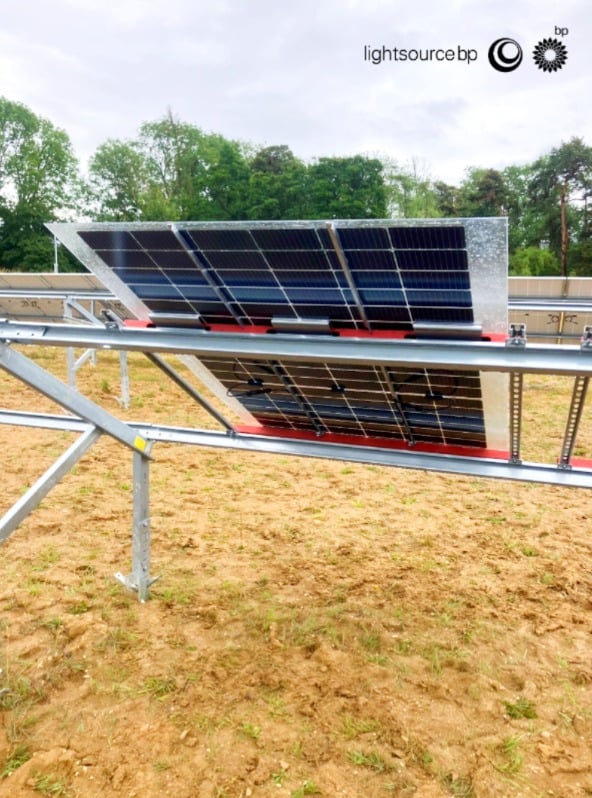
Lightsource bp’s NextGen Solar field trial module
Analysis summary: referencing project site (214MWp) and done for BAU piling only
Auto-pilers use GPS to accurately position piles and capture real-time data on location, depth and alignment. As represented in the chart, in some of our testing we estimate improvements from technology providers compared to BAU (business as usual) achieving up to 44% overall cost reduction and saving time by up to 46%.
View chart data
| Category | BAU | Supplier 1 | Supplier 2 |
|---|---|---|---|
| Labour Cost | 1457914 | 605775 | 452980 |
| Machine Cost | 191590 | 118530 | 1872920 |
| Total Piling Cost | 1649504 | 724305 | 2325900 |
From theory to field
The programme now moves from modelling and analysis into real-world validation. Automated piling systems, robotic module placement and advanced cable harnessing solutions will be trialled on active projects to verify cost, time and safety assumptions.
A new way for industry
NextGen Solar Programme also identified a gap that, if addressed, could effect wider industry change. Fully automated module installation at scale requires a standardised module interface between panels and mounting structures, something that does not yet exist as a sector-wide standard. We are looking to bring together module manufacturers, tracker suppliers and technology partners to develop this interface.
We know that demand for solar energy is rising, and building for gigawatt scale is constrained by existing construction methods, impacting some projects commercial viability. The NextGen Solar Programme has delivered a practical, evidenced-based roadmap for scaling solar farm construction efficiently, and we are now moving to validate these solutions under real operating conditions.
Editors’ notes:
All figures cited from Lightsource bp’s internal modelling and the NextGen Solar Programme Phase 2A report. Further details are available on request.
Footnote:
1. https://www.iea.org/news/global-renewable-capacity-is-set-to-grow-strongly-driven-by-solar-pv
Latest news

15 Oct, 2026
New Zealand: South Island’s largest solar farm opens, supporting industrial electrification
Kōwhai Park has officially opened in Christchurch adding 168MWdc of renewable generation capacity to New Zealand’s electricity system.
28 Sep, 2026
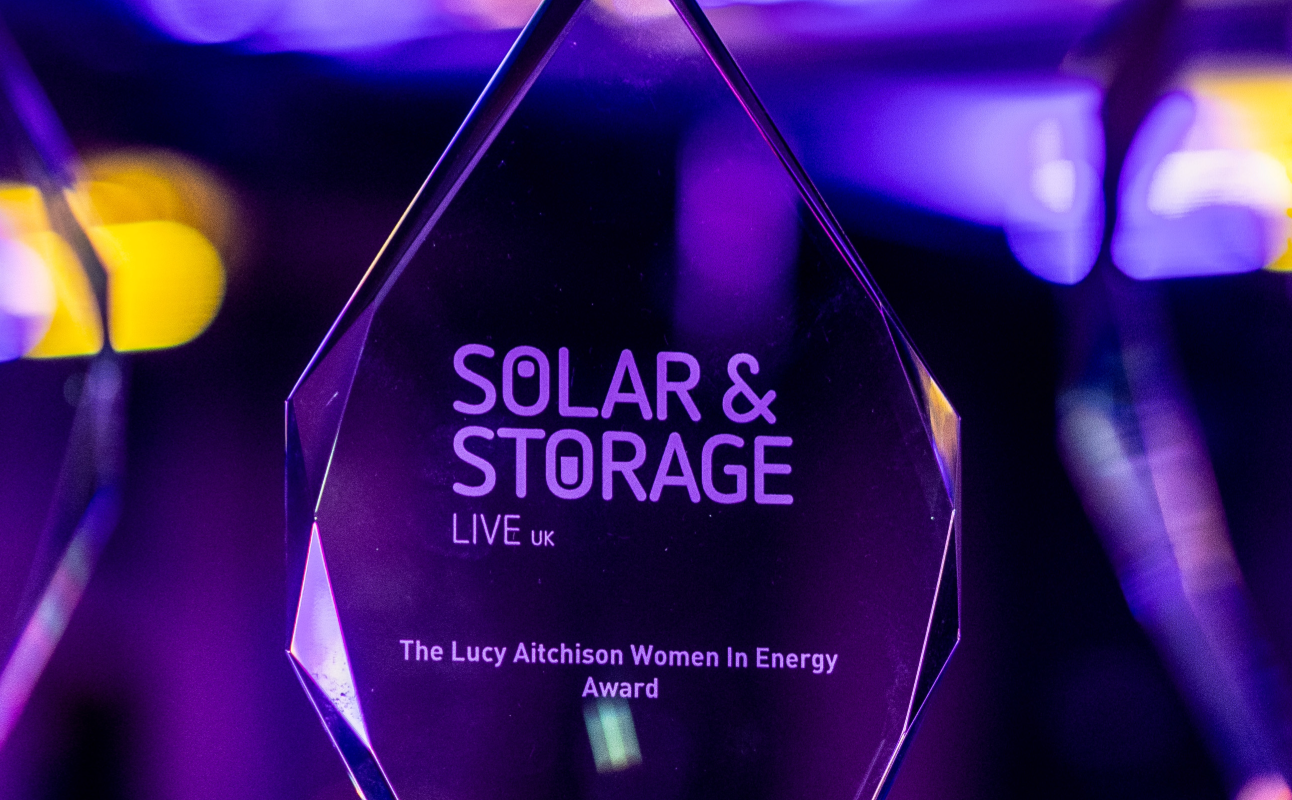
Lightsource bp’s General Counsel for EMEA, Alex Desouza, wins Women in Energy Award
Alex Desouza has won the Lucy Aitchison Women in Energy Award, recognising her outstanding contribution to the solar and renewable energy industry.

14 Sep, 2026
Proactive risk mitigation with Project Whiskeyball, Lightsource bp’s intelligent hail mitigation solution
Extreme weather events are increasing operational risks for the renewable energy industry, and as our portfolio of operational projects grows, so does our exposure.