

Renewable energy demand is set to surge, here's four reasons why
Global demand for electricity is expected to double by 2050 compared to 2020 levels. But as the world seeks to address climate change and advance the energy transition, the way it makes and moves things around the planet is changing. We are shifting towards an increasingly electrified future.
Renewable energy has helped the electricity sector to reduce emissions. Developers, like Lightsource bp, are now working to build enough power capacity to meet both the growing electricity demand, and to replace the supply from traditional sources that are being phased out.
Factors driving renewable energy demand
Transportation: A rapid shift to electric vehicles
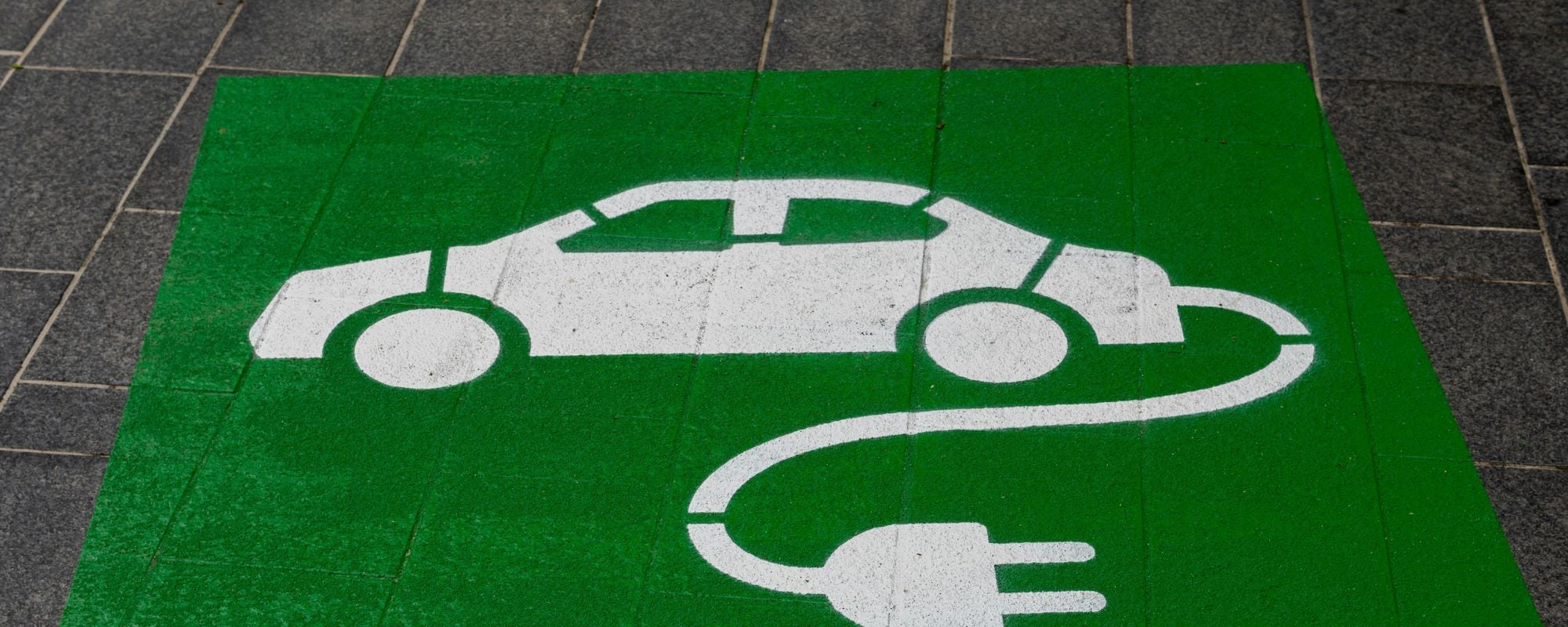
Transport is poised to become the largest source of growth in electricity demand. Electric vehicles (EVs) are at the forefront of this transition, with their adoption skyrocketing in recent years.
In 2022, EVs accounted for just two percent of the global automobile market. However, projections indicate a rapid shift. By 2035, it’s estimated that EVs will make up to 50 percent of all new car sales globally. That will significantly increase the need for charging infrastructure and electricity consumption.
Public transport is also electrifying rapidly with bus fleets and railways switching to electricity.
Industrial and manufacturing facilities: Electrification and green hydrogen
Investments in manufacturing and industrial facilities are expected to play a crucial role in driving electricity demand growth.
Industries such as steel, aluminium, and chemical production are transitioning towards electrification to reduce carbon emissions, further boosting electricity demand.
In many cases, green hydrogen – produced by splitting water into oxygen and hydrogen using renewable electricity – can be substituted for other fuels to produce heat. For instance, China alone is expected to undergo a 41 percent increase in industrial electricity consumption by 2035, according to research by consultancy firm McKinsey.
Data centres: Consumption doubling by 2026
The exponential growth of data centres is another key factor influencing electricity demand.
The emergence of artificial intelligence, and the global uptake of generative AI services like Chat-GPT4, Bard and Midjourney means more data centres are needed. As that data centre capacity swells, so too does the need for electricity to power and cool them.
It is expected that the energy consumption of data centres worldwide will double by 2026. That would be equivalent to the total combined electricity consumption of Japan and Germany. Solar is well placed to meet this demand given the speed of deployment and the scalable, distributed nature of solar projects.
Extreme and changing climate: Rising demand for cooling and heating
The increasing need for air conditioning, particularly in a warming world also raises electricity demand from buildings. Not just in wealthier nations, but in those with growing numbers of people with middle-incomes. It already accounts for 10 to 15 percent of energy use with that share expected to rise.
The rise and fall of solar power generation during the day in hot countries neatly matches the demand for air conditioning making it a particularly useful source of generation for this type of demand.
Demand for greater thermal comfort is not just about staying cool. In many colder geographies, heating is also being electrified by heat pumps, further increasing the need for electricity.
Meeting demand through renewable energy projects
Understanding these sources of growing electricity demand is essential for energy companies and policymakers to plan for the future and ensure a reliable and sustainable energy supply.
Solar and battery energy storage can be deployed at pace and at a range of scales. In many cases, faster permitting and the availability of modern grid infrastructure would greatly shorten those timescales.
As these four sectors transition, Lightsource bp is pushing to support governments, businesses and utilities to go faster and further. Our global reach and extensive renewables experience enables us to deliver on our substantial roster of opportunities in solar and energy storage.
As electrification impacts regions in different ways, our projects can help to keep pace with the energy transition and realise the benefits of low carbon, predictably priced renewable electricity.
Find out more
Discover how we’re working to combat climate change while meeting the world’s rising electricity demand at the power of solar.
Latest news
15 Oct, 2026
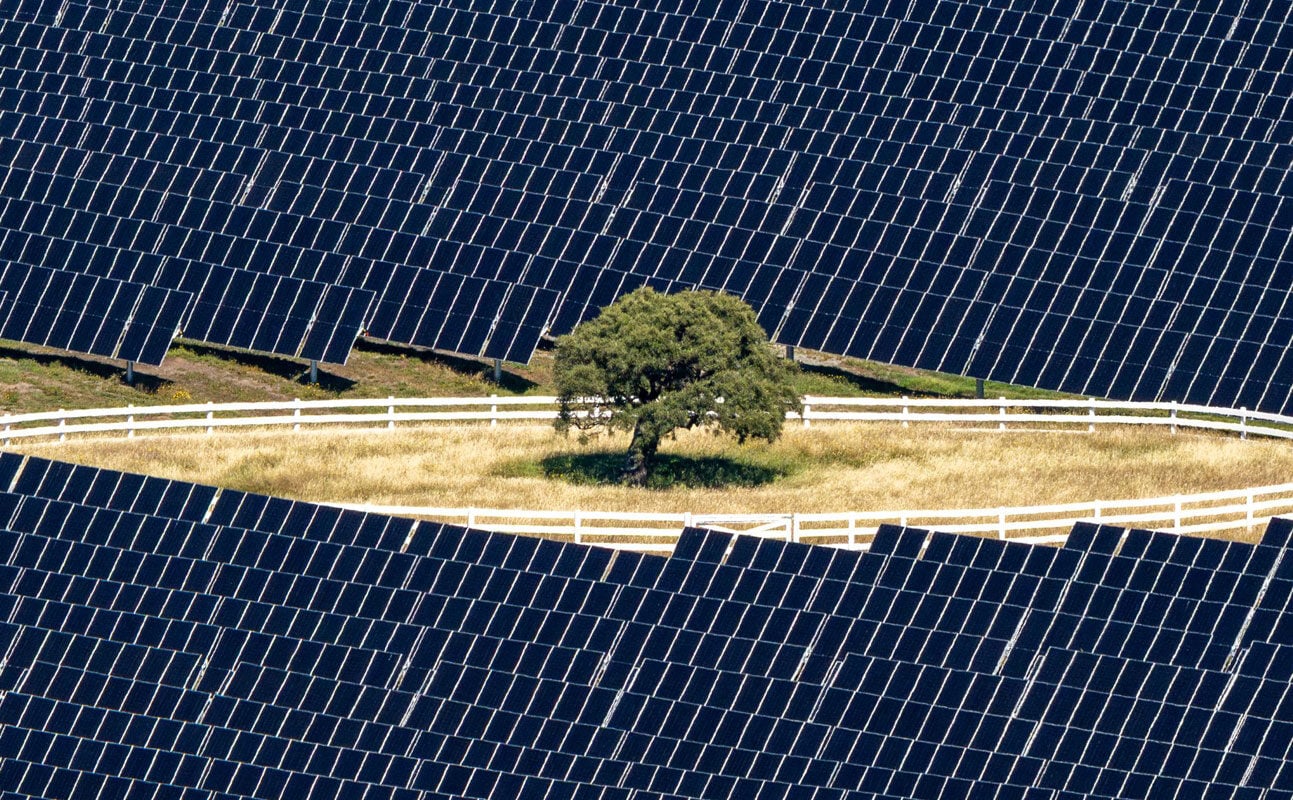
New Zealand: South Island’s largest solar farm opens, supporting industrial electrification
Kōwhai Park has officially opened in Christchurch adding 168MWdc of renewable generation capacity to New Zealand’s electricity system.
28 Sep, 2026
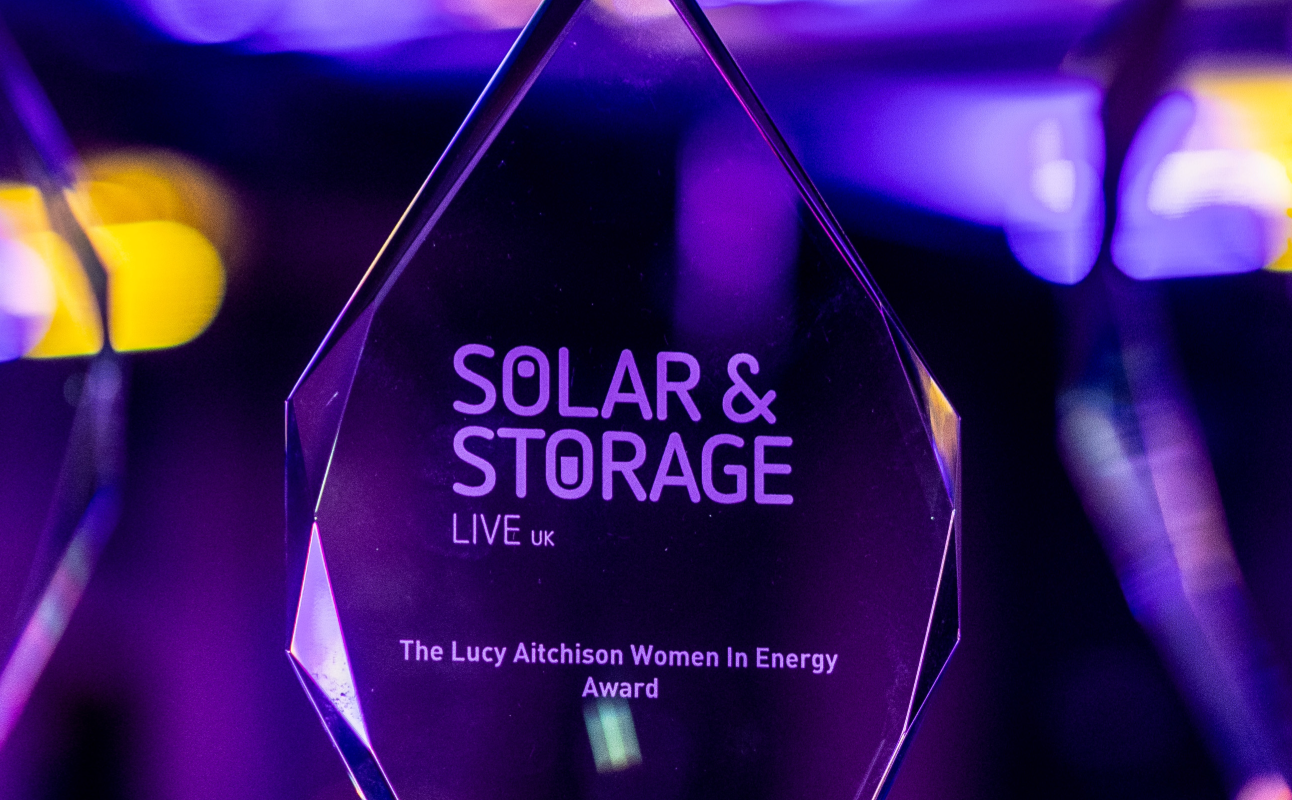
Lightsource bp’s General Counsel for EMEA, Alex Desouza, wins Women in Energy Award
Alex Desouza has won the Lucy Aitchison Women in Energy Award, recognising her outstanding contribution to the solar and renewable energy industry.
14 Sep, 2026
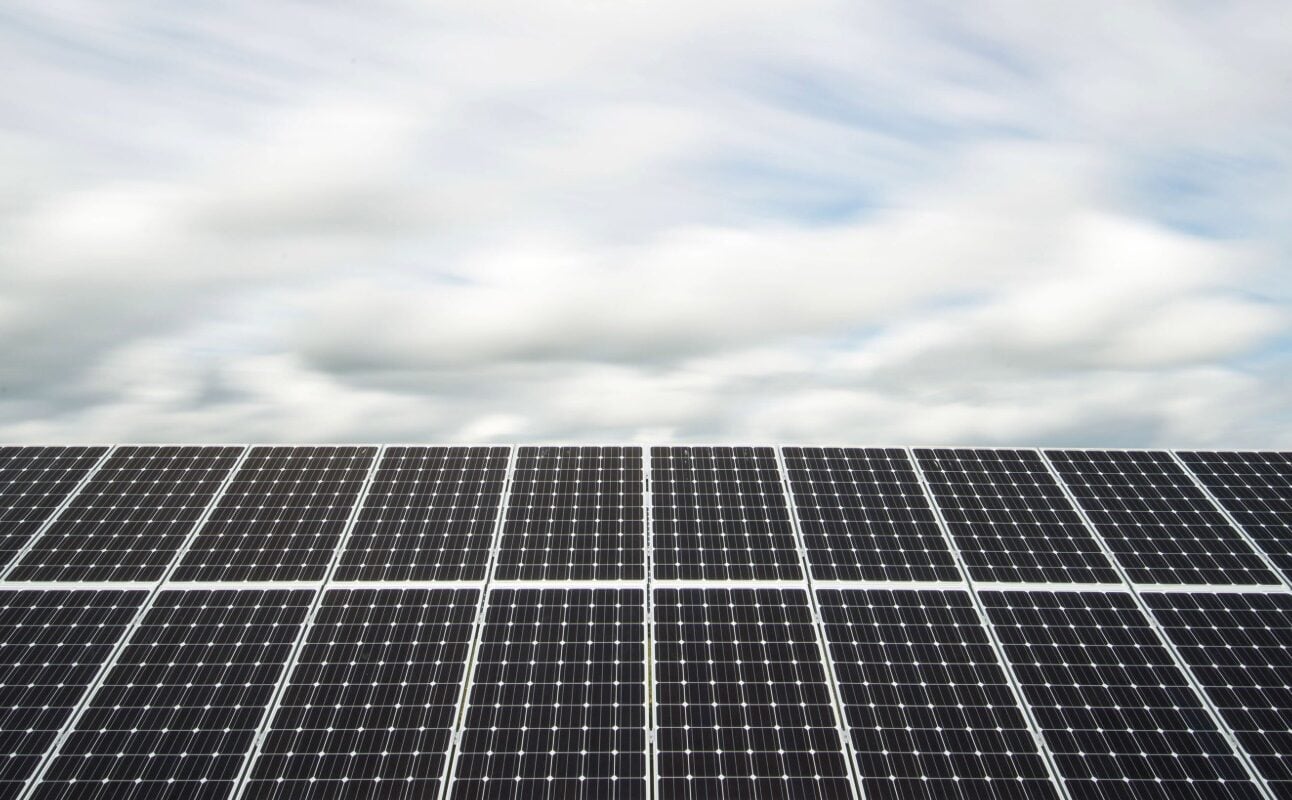
Proactive risk mitigation with Project Whiskeyball, Lightsource bp’s intelligent hail mitigation solution
Extreme weather events are increasing operational risks for the renewable energy industry, and as our portfolio of operational projects grows, so does our exposure.